
Technological Innovations Shaping the Future of Real Estate
By Scott A. Stanfield
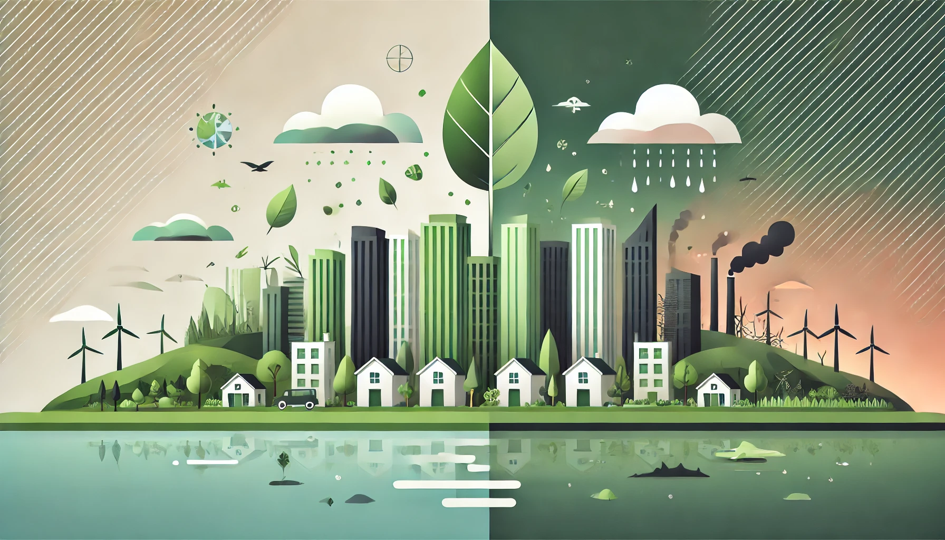
The real estate market is increasingly influenced by climate change and environmental factors, from natural disasters to sustainable development trends. This article examines the implications of these factors for real estate valuation, investment strategies, and the future of real estate development.
The Impact of Natural Disasters on Property Values
As climate change escalates, the frequency and severity of natural disasters such as hurricanes, floods, wildfires, and earthquakes are increasing. These events can have immediate and long-term effects on property values in affected areas. Properties in high-risk zones may see their values decline due to the increased cost of insurance and the potential for damage. As an investor, it is important to quantify the risks associated with areas prone to natural disasters. Predictive models using historical data can help estimate the potential decline in property values. To evaluate the long-term financial impact of increased insurance costs, a time series analysis can be performed. Once you have determined the potential increase in costs due to insurance, possible damage, and decreased property values, calculate a risk-adjusted return on the property of interest. By incorporating inherent risks into the financial return calculations, you will obtain a more accurate picture of the investment potential (or lack thereof). Conversely, areas perceived as safe havens may experience a rise in demand and property values.
Regulatory Changes, Green Building Practices, and Environmental Policies
Sustainability is becoming a critical consideration in real estate development and investment. A growing preference for sustainable and energy-efficient properties among buyers and tenants is influencing market demand and property values. Investing in sustainable development can lead to higher property values, reduced operating costs, and a competitive advantage in the market. However, green building is not cheap. To determine if the investment is worth it, run a cost-benefit analysis (CBA) that evaluates the financial benefits of investing in green building features against the initial costs. This analysis will help predict the additional long-term value from energy savings and increased marketability.
Green certifications, such as LEED, Energy Star, and BREEAM, tend to command higher prices and rental rates due to reduced operational costs and increased occupant well-being. To determine if the area you are interested in investing in would benefit from being green certified, you can conduct a quantitative study comparing certified vs. non-certified properties within that area.
Governments worldwide are implementing regulations and policies to combat climate change, directly impacting the real estate industry. These regulations may include requirements for energy efficiency, restrictions on development in vulnerable areas, and incentives for sustainable construction. Real estate investors and developers must stay informed about these policies to anticipate changes, adjust to the market effectively, and capitalize on opportunities for green development.
Environmental risk assessment is becoming a crucial part of the real estate investment process. Investors are increasingly considering factors such as a property’s carbon footprint, energy efficiency, and vulnerability to climate change impacts. A comparative market analysis tool can be used to compare market performance in regions with varying levels of regulatory stringency, providing insights into the effects of environmental policies on real estate values within the area of interest.
Conclusion
The intersection of environmental factors and real estate valuation represents a critical area of growth and innovation in the industry, presenting new challenges and opportunities for investors, developers, and consumers. As quantitative methods continue to evolve, the ability to accurately assess and incorporate these factors into valuation models will become increasingly important. This shift not only reflects changing market dynamics but also a broader commitment to sustainable development and resilience in the face of environmental challenges. By prioritizing sustainability and adapting to the impact of climate change, the real estate sector can contribute to mitigating environmental risks while capitalizing on the growing demand for eco-friendly living spaces.
Thanks for reading,
-Scott