
Capital Expenses Explained: A Rental Property Owner’s Guide
By Scott A. Stanfield
Depreciation is a tax deduction that allows a property owner to recover the cost of wear and tear, deterioration, or obsolescence of the property. For rental properties, depreciation typically applies to the building and improvements, as well as to personal property used in the rental business. Here’s a list of common depreciated expenses for rental properties:
1. Building: The cost of the building itself, excluding the land, is depreciated over a specified period. For residential rental properties, this period is usually 27.5 years. I wrote about depreciating the building in my article, “Deciphering Depreciation: How It Impacts Your Turnkey Rental Business.”
2. Improvements: These are capital expenditures made to the property that increase its value or extend its life. Common examples include:
- Additions (e.g., new rooms, decks)
- Renovations and major remodels
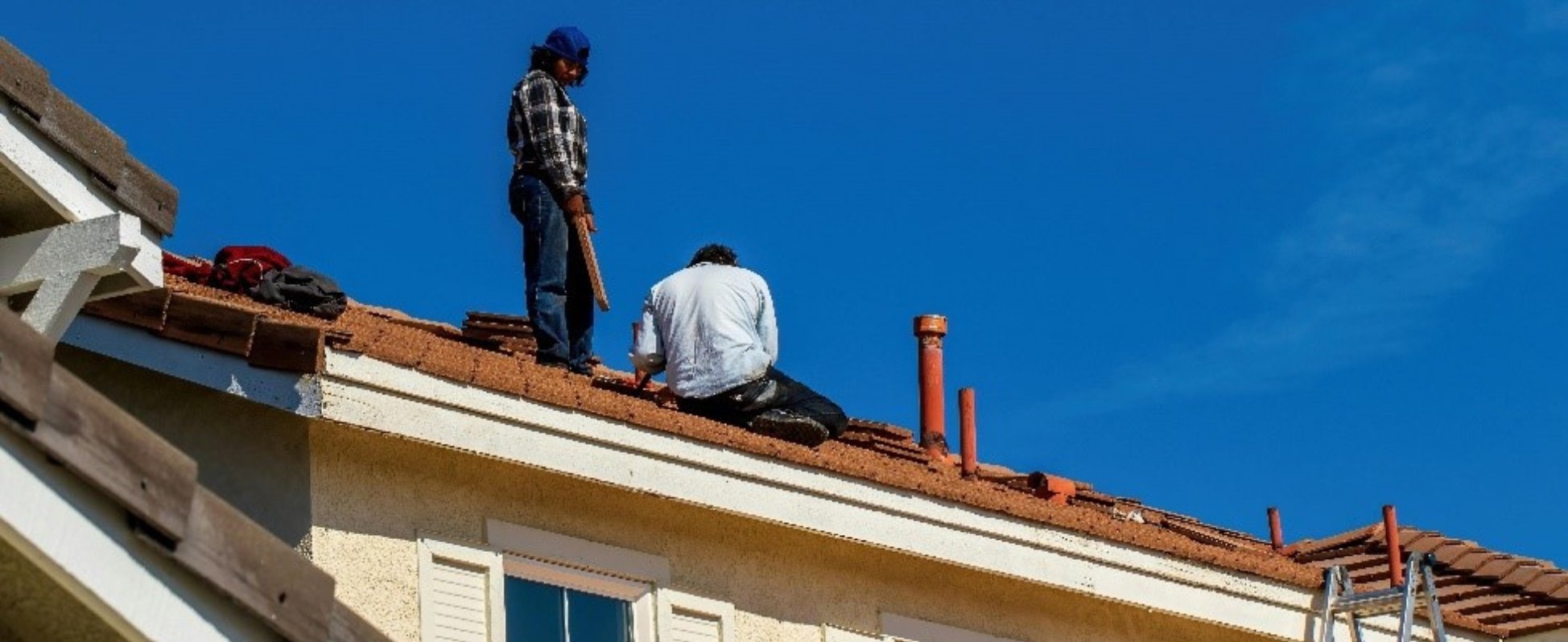
- New roofing
- HVAC system upgrades
- New fences or landscaping enhancements
- Paving or driveway installation
Improvements are depreciated over their useful life, which varies depending on the specific improvement.
3. Personal Property: This refers to property used in the rental business that is not a part of the building itself, such as:
- Appliances (refrigerators, stoves, washers, dryers)
- Furniture for furnished rentals
Office equipment for managing the rental property is depreciated over a shorter period, often 5 or 7 years, depending on the item.
4. Land Improvements: These are improvements made to the land that do not include the building, such as:
- Landscaping
- Sprinkler systems
- Sidewalks
- Roads
- Fencing (not part of the building)
Land improvements are typically depreciated over 15 years.
It’s important to distinguish between depreciating the building and other depreciable expenses. Other depreciable expenses represent out-of-pocket costs that reduce your profit, whereas depreciating the building does not reduce your rental profits. Instead, it serves as an expense that lowers your taxable income, saving you money.
How Are Capital Expenses Included?
In general, capital expenses are out-of-pocket costs associated with a depreciation schedule. This schedule determines the amount of the expense you can claim each year. For example, if you incur a capital expense of $5,000 to be depreciated over five years, you can claim $1,000 each year for five years. Each claim reduces your taxable income by the amount claimed, in this case, $1,000 annually.
The rules and specifics of depreciation can be complex, involving considerations like the Modified Accelerated Cost Recovery System (MACRS), Section 179 deductions, and bonus depreciation. Property owners should consult with a tax professional or accountant to ensure they correctly calculate and claim depreciation expenses.
Thanks for reading,
-Scott
Further Reading
There are many excellent resources out there including BiggerPockets, and my book “Passive Profits”.